How to Help Your Cat Drink More Water
Learn why hydration supports feline kidney and urinary health, plus simple ways to help your cat drink more water.
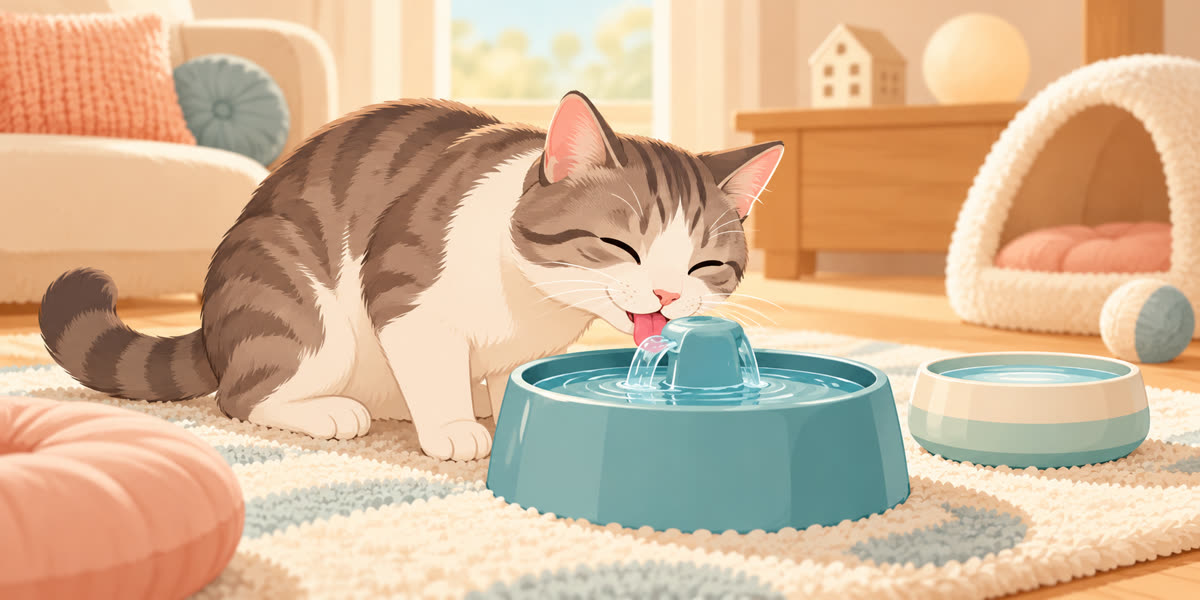
Cats often have a low thirst drive, so some may not drink much from a bowl. Supporting good hydration helps the kidneys remove waste and promotes overall urinary health.
Key takeaways
- Offer fresh water in several quiet locations.
- Try wide, shallow bowls made from easy-to-clean materials.
- Wet food can increase your cat’s total water intake.
- Watch for changes in thirst, urination, appetite, or energy.
- Contact a veterinarian if your cat may be dehydrated or ill.
Why hydration matters for the kidneys
The kidneys filter waste from the blood, balance fluids and minerals, and produce urine. Adequate water intake supports these normal functions and helps keep urine less concentrated.
Drinking more water cannot prevent or treat every kidney or urinary problem. However, good hydration is an important part of general health, especially for cats with conditions that increase fluid loss.
Make water easy to find
Place several water bowls around your home, including in calm areas where your cat feels safe. Keep water away from litter boxes, and consider placing it separately from food if your cat seems to prefer that.
Older cats or cats with mobility problems may benefit from water on each floor and near favorite resting areas.
- Use wide, shallow bowls that do not crowd the whiskers.
- Choose stable bowls that are difficult to tip.
- Try glass, ceramic, or stainless steel.
- Refresh the water at least daily.
- Wash bowls regularly to remove residue.
Learn your cat’s preferences
Some cats prefer still water, while others are interested in moving water. A circulating fountain may encourage certain cats, but it must be cleaned frequently according to its instructions.
You can also test different bowl shapes, locations, and water temperatures. Make one change at a time so you can see what your cat prefers, and never restrict access to plain, fresh water.
- Keep bowls away from noisy appliances.
- Fill bowls to a consistent level.
- Offer water in more than one type of container.
- Avoid adding salty broths, milk, or flavorings unless your veterinarian approves them.
Increase moisture through food
Canned or other moisture-rich cat food can add meaningful water to the diet. If your cat currently eats dry food, ask your veterinarian whether a gradual switch or a mixed feeding plan is appropriate.
Some cats accept a small amount of water mixed into wet food. Add it gradually, and discard uneaten moistened food promptly. Do not make major diet changes if your cat has a medical condition or prescription diet without veterinary guidance.
Watch for signs of trouble
Changes in drinking can matter in either direction. Drinking or urinating much more than usual may be linked to kidney disease, diabetes, thyroid disease, or other conditions and should be discussed with a veterinarian.
Possible dehydration signs include dry or sticky gums, weakness, poor appetite, and sunken-looking eyes. These signs are not specific, so a veterinarian should evaluate your cat rather than relying on home tests.
- Track how often you refill bowls.
- Notice changes in litter box output.
- Monitor appetite, weight, and energy.
- Do not force water into your cat’s mouth because it may enter the lungs.
When to call the vet
- Call your veterinarian promptly if your cat has a sudden change in thirst or urination, poor appetite, vomiting, weakness, or possible dehydration. Seek urgent care if your cat strains to urinate, repeatedly visits the litter box with little or no urine, cries while trying to urinate, or becomes very lethargic.
Like this kind of find? We post 3 hand-picked pet deals a day on Telegram, free.
Join on TelegramBrowse pet deals →